In an era where climate change is a pressing concern and energy costs are constantly rising, finding effective ways to save energy at home has never been more crucial. Not only does energy efficiency lead to lower utility bills, but it also contributes significantly to environmental conservation. By adopting simple yet effective energy saving tips, households can make a lasting impact on their energy consumption and, in turn, the planet. This blog aims to provide practical advice and insights into the most effective strategies for reducing energy usage in your home. From understanding energy consumption patterns to implementing energy-efficient technologies, every step counts in creating a more sustainable future.
Understanding Energy Consumption in Homes
Common Sources of Energy Waste
The journey toward energy efficiency begins with understanding where energy is wasted in our homes. Common sources of energy waste include outdated appliances, poor insulation, and inefficient heating and cooling systems. Many households rely on older appliances that consume significantly more energy than their modern, energy-efficient counterparts. Furthermore, homes often have drafts and air leaks that allow conditioned air to escape, forcing heating and cooling systems to work overtime.
By identifying these common sources of energy waste, homeowners can take actionable steps to reduce their energy consumption. Awareness is the first step toward implementing effective changes that lead to significant savings on energy bills.
The Importance of Energy Audits
Conducting an energy audit is one of the most effective ways to pinpoint areas of energy waste in your home. An energy audit involves a thorough examination of your home’s energy use, identifying where improvements can be made. Professional energy auditors utilize specialized equipment to detect air leaks, assess insulation levels, and evaluate the efficiency of heating and cooling systems.
However, homeowners can also conduct simple DIY audits. Begin by checking for drafts around windows and doors, inspecting insulation in attics and basements, and evaluating the efficiency of major appliances. By understanding your energy consumption patterns, you can make informed decisions that lead to substantial energy savings.
Energy Efficient Appliances and Technologies
Choosing Energy Star Rated Products
One of the most effective ways to reduce energy consumption is by choosing Energy Star rated products. Energy Star is a program established by the U.S. Environmental Protection Agency (EPA) that sets energy efficiency guidelines for appliances. Products that meet these guidelines use significantly less energy than standard models, translating into lower operating costs and reduced environmental impact.
When shopping for new appliances, look for the Energy Star label. This certification is a reliable indicator of energy efficiency, covering a wide range of products, including refrigerators, dishwashers, washing machines, and HVAC systems. By investing in Energy Star rated products, homeowners can enjoy modern conveniences while minimizing their energy footprint.
Smart Home Technology
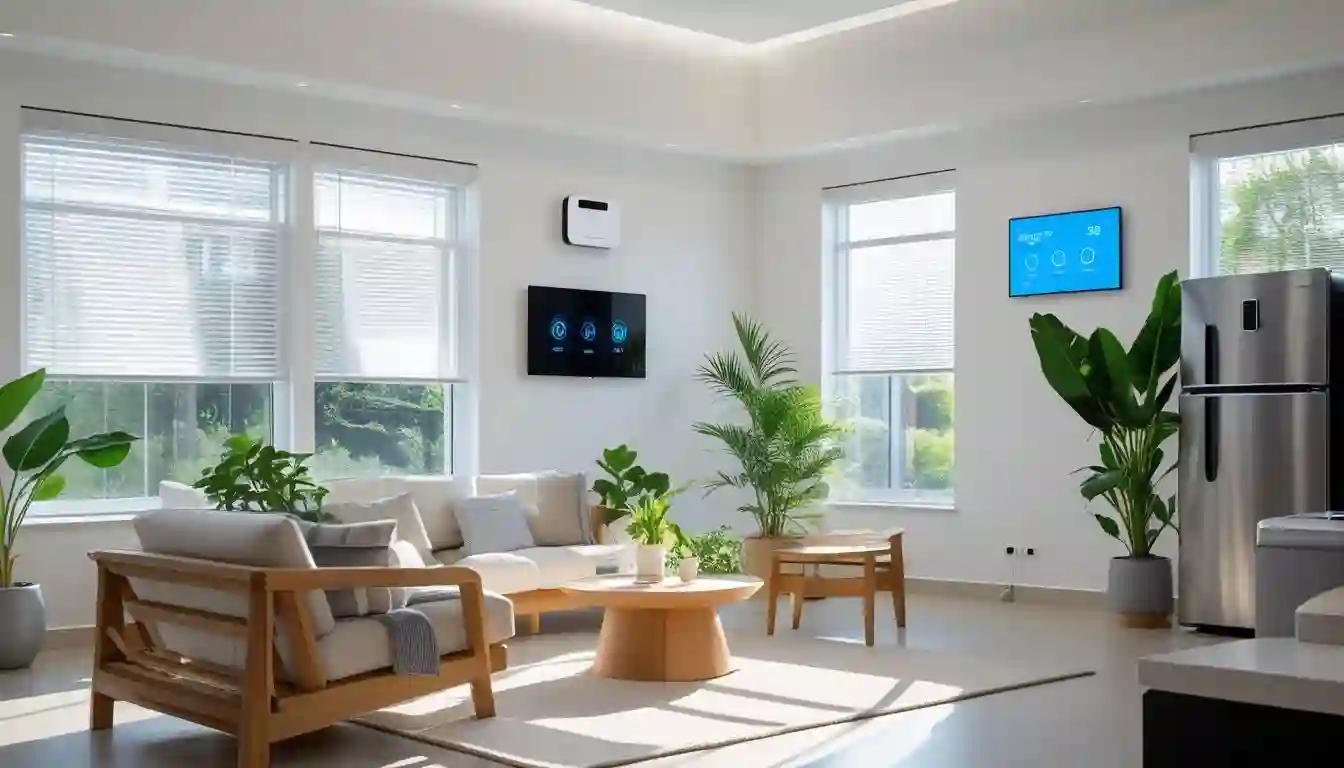
Smart home technology is revolutionizing the way we manage energy consumption in our households. Smart thermostats, for instance, allow homeowners to optimize their heating and cooling systems based on their schedules and preferences. These devices learn your habits over time, automatically adjusting temperatures to ensure comfort while maximizing energy efficiency.
Additionally, smart plugs and energy monitoring devices provide insights into energy usage patterns. By tracking which devices consume the most energy, homeowners can make informed decisions about when to use or unplug them. Embracing smart home technology not only enhances convenience but also empowers homeowners to take control of their energy consumption.
Heating and Cooling Efficiency
Insulation and Sealing
Proper insulation and sealing are vital components of an energy-efficient home. Insulation helps maintain a consistent indoor temperature by minimizing heat transfer between the interior and exterior of the home. Poorly insulated homes often experience significant heat loss in the winter and heat gain in the summer, leading to increased energy consumption.
To improve insulation, focus on areas like attics, walls, and basements. Adding insulation or upgrading existing materials can significantly reduce the workload on heating and cooling systems. Additionally, sealing cracks and gaps around windows, doors, and ductwork can prevent drafts and air leaks, further enhancing the home’s energy efficiency.
Efficient Heating and Cooling Practices
In addition to proper insulation, adopting efficient heating and cooling practices can lead to substantial energy savings. One of the simplest strategies is to set your thermostat to an energy-saving temperature. During the winter months, consider setting the thermostat to around 68°F (20°C) during the day and lowering it at night. In the summer, setting it to 78°F (26°C) can help reduce energy consumption while maintaining comfort.
Using ceiling fans to circulate air can also improve comfort levels without over-relying on HVAC systems. During warmer months, ceiling fans can create a wind-chill effect, making it feel cooler without lowering the thermostat. Additionally, regular maintenance of heating and cooling systems, such as changing filters and scheduling professional inspections, ensures they operate efficiently, further contributing to energy savings.
Water Conservation and Energy Savings
Water Heating Efficiency
Water heating is one of the largest energy expenses in a household, often accounting for a significant portion of energy bills. To reduce water heating costs, consider adjusting the temperature setting on your water heater. The U.S. Department of Energy recommends setting the water heater to 120°F (49°C), which is sufficient for most household needs and can reduce energy consumption.
Insulating your water heater and the first few feet of hot water pipes can also help retain heat, reducing the energy required to maintain water temperature. Moreover, consider upgrading to a more energy-efficient water heater, such as a tankless or solar water heater, which can provide hot water on demand without the energy losses associated with traditional storage water heaters.
Low-Flow Fixtures
Installing low-flow fixtures is another effective way to conserve water while simultaneously saving energy. Low-flow showerheads and faucets are designed to use significantly less water without sacrificing performance. By reducing water usage, households also decrease the energy needed to heat water, resulting in lower utility bills.
When upgrading fixtures, look for products labeled with the WaterSense label, which indicates that they meet specific water efficiency criteria. Making these simple changes can have a substantial impact on both water and energy consumption, promoting a more sustainable lifestyle.
Lighting and Energy Usage
Transitioning to LED Lighting
Lighting accounts for a substantial portion of residential energy consumption. Transitioning to LED lighting is one of the most impactful changes homeowners can make. LED bulbs use up to 80% less energy than traditional incandescent bulbs and last significantly longer, reducing both energy costs and the frequency of replacements.
In addition to switching to LED bulbs, consider optimizing your lighting design to maximize natural light. Use light-colored curtains and strategically position mirrors to reflect light, reducing the need for artificial lighting during the day. By combining these strategies, homeowners can create bright, inviting spaces while minimizing energy usage.
Smart Lighting Solutions
Smart lighting solutions further enhance energy efficiency in the home. Smart bulbs and lighting systems allow homeowners to control their lights remotely, set schedules, and adjust brightness levels. By automating lighting based on occupancy, homeowners can ensure that lights are only on when needed, reducing unnecessary energy consumption.
Timers and motion sensors can also be beneficial, especially for outdoor lighting. These devices automatically turn lights on and off, providing security while ensuring that energy is not wasted. By embracing smart lighting solutions, homeowners can enjoy convenience and energy savings simultaneously.
Lifestyle Changes for Energy Efficiency
Mindful Energy Usage Habits
In addition to upgrading appliances and implementing energy-efficient practices, fostering mindful energy usage habits can lead to significant savings. Encourage family members to turn off lights when leaving a room, unplug devices that are not in use, and avoid using standby mode on electronics. These small, mindful actions collectively contribute to reduced energy consumption.
Educating household members about energy efficiency and the impact of their choices can inspire a collective commitment to sustainability. Making energy conservation a family goal not only fosters a sense of responsibility but also enhances the overall effectiveness of energy-saving efforts.
Sustainable Practices in Daily Life
Incorporating sustainable practices into daily life can further enhance energy efficiency. Simple changes, such as using reusable shopping bags, composting, and recycling, contribute to a more sustainable household. Additionally, consider reducing food waste by planning meals, which can minimize the energy used in food production and transportation.
Engaging in community initiatives focused on sustainability can also amplify your impact. Whether participating in local clean-up days or advocating for energy-efficient policies, collective action can lead to meaningful change. These small lifestyle changes add up, creating a more sustainable household and community.
FAQs
What are some simple energy saving tips for households?
Simple energy saving tips include using energy-efficient appliances, sealing drafts, adjusting thermostat settings, and switching to LED lighting.
How can I conduct a DIY energy audit?
To conduct a DIY energy audit, check for drafts around windows and doors, inspect insulation, and evaluate the efficiency of major appliances.
What are Energy Star rated products?
Energy Star rated products are certified by the U.S. Environmental Protection Agency for their energy efficiency, helping consumers save on energy costs.