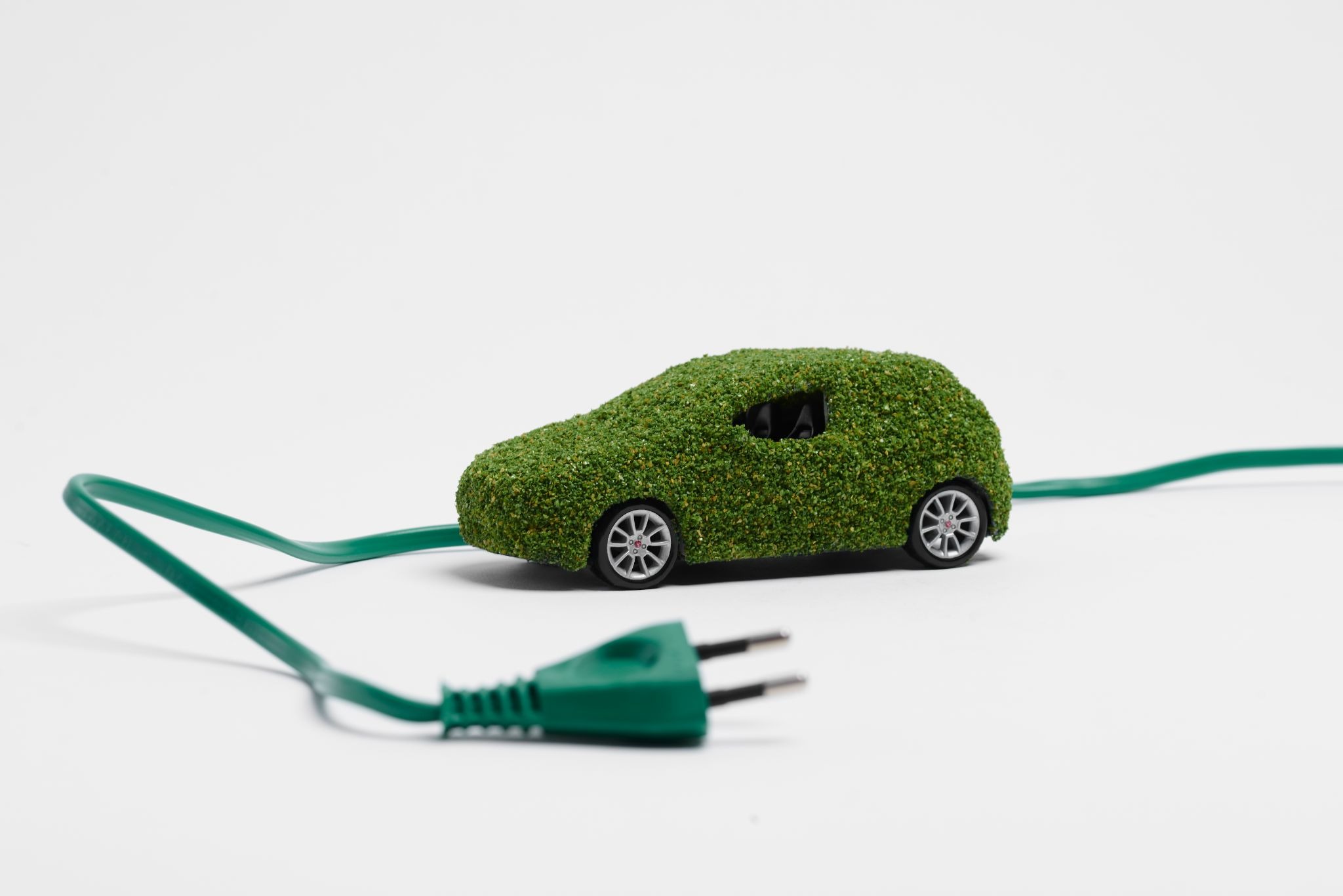
In recent years, electric vehicles (EVs) have surged into the spotlight, captivating the imaginations of environmentally conscious consumers and tech enthusiasts alike. As we grapple with the pressing challenges of climate change and air pollution, the role of electric vehicles in transforming our transportation systems becomes increasingly vital. The impact of electric vehicles on our environment is profound, offering a path toward cleaner air and a more sustainable future. This blog delves into how electric vehicles reduce environmental impact and pollution, addressing urgent concerns while offering hope for a brighter tomorrow.
Understanding Electric Vehicles
Electric vehicles are defined by their reliance on electric power rather than traditional fossil fuels. Unlike their internal combustion engine (ICE) counterparts, which burn gasoline or diesel to operate, electric vehicles use batteries to store energy and power electric motors. Among the various types of electric vehicles, two main categories stand out: Battery Electric Vehicles (BEVs) and Plug-in Hybrid Electric Vehicles (PHEVs).
BEVs operate solely on electric power, drawing energy from a rechargeable battery pack. They produce no tailpipe emissions, making them a cleaner alternative to traditional vehicles. On the other hand, PHEVs combine an electric motor with a conventional gasoline engine. These vehicles can run on electric power for shorter trips while using gasoline for longer journeys. Each type of electric vehicle offers unique advantages, contributing to the overall goal of reducing our carbon footprint.
Environmental Benefits of Electric Vehicles
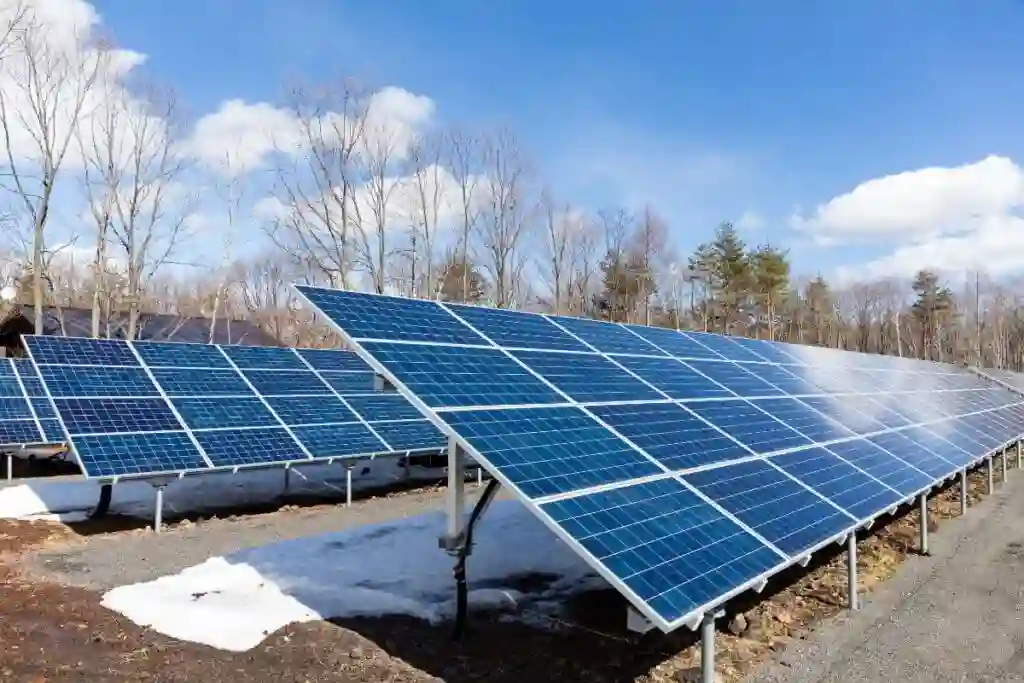
The environmental benefits of electric vehicles are extensive and multifaceted. At the core of these advantages is the significant reduction of greenhouse gas emissions. According to studies, electric vehicles can result in up to 60% lower emissions than traditional gasoline-powered vehicles over their lifetime. This reduction is particularly pronounced when the electricity used to charge EVs comes from renewable sources, such as wind or solar power.
Understanding the lifecycle emissions of electric vehicles is crucial. While it is true that manufacturing electric vehicles may involve higher emissions than conventional vehicles, the overall emissions during the vehicle’s operation phase are substantially lower. This means that, over time, EVs more than compensate for their initial environmental impact. Moreover, as the grid becomes greener with the integration of renewable energy, the electric vehicle impact on emissions continues to diminish.
In comparing electric vehicles to traditional ICE vehicles, the advantages become even clearer. Traditional vehicles emit harmful pollutants, including nitrogen oxides and particulate matter, which contribute to smog and respiratory issues. In contrast, electric vehicles produce zero tailpipe emissions, leading to cleaner air and a healthier environment.
Decreasing Air Pollution
The adoption of electric vehicles is transforming air quality, particularly in urban centers where pollution levels have reached alarming heights. The shift from gasoline and diesel vehicles to electric ones can lead to a substantial decrease in air pollution. Studies have shown that cities with high electric vehicle adoption rates experience improved air quality, resulting in lower rates of asthma and other respiratory ailments.
In urban environments, the impact of electric vehicles becomes even more pronounced. Many residents living in densely populated areas are disproportionately affected by air pollution, often facing health risks due to vehicle emissions. By opting for electric vehicles, cities can significantly enhance the quality of life for their inhabitants. The reduction in harmful pollutants not only contributes to better health but also fosters a sense of community and well-being.
For instance, cities like Oslo and Amsterdam have embraced electric vehicle initiatives, leading to cleaner air and improved public health outcomes. Data from these cities indicate that transitioning to electric vehicles can result in a significant decrease in hospitalizations related to respiratory illnesses, showcasing the profound impact EVs can have on public health.
Energy Efficiency and Resource Conservation
Electric vehicles are not just environmentally friendly; they are also incredibly energy-efficient. When it comes to converting energy into motion, electric vehicles outperform traditional vehicles by a wide margin. While internal combustion engines convert only about 20% of the energy stored in gasoline into movement, electric vehicles can convert up to 60% of their battery energy into motion. This remarkable efficiency translates to lower energy consumption and reduced overall resource usage.
The comparison of energy sources for electric vehicles versus traditional vehicles further emphasizes their advantages. As the world moves toward a cleaner energy future, integrating renewable energy into electric vehicle charging systems becomes essential. By harnessing the power of solar, wind, and hydroelectric sources, we can ensure that the energy used to charge electric vehicles is as sustainable as possible.
Smart grid technology plays a crucial role in enhancing the efficiency of electric vehicle charging. With advanced energy management systems, consumers can charge their vehicles during off-peak hours when energy demand is lower and rates are cheaper. This not only reduces stress on the grid but also promotes renewable energy use, ensuring a more sustainable energy future.
Economic Implications of Electric Vehicle Adoption
The economic implications of transitioning to electric vehicles extend far beyond individual consumers. On a macroeconomic level, the shift toward electric vehicles can stimulate job creation in the renewable energy and EV sectors. As governments and businesses invest in electric vehicle infrastructure and production, new opportunities arise for skilled workers in manufacturing, engineering, and maintenance.
For consumers, electric vehicles present significant cost savings. While the initial purchase price of an electric vehicle may be higher than that of a traditional gasoline vehicle, the long-term savings are substantial. Electric vehicles typically have lower operating costs, including reduced fuel expenses and minimal maintenance requirements. With fewer moving parts, EVs require less frequent servicing, leading to additional savings over time.
Furthermore, government incentives and subsidies for electric vehicle purchases can make them more accessible. Many countries offer tax credits, rebates, and grants to encourage consumers to switch to electric vehicles. These financial incentives not only lower the upfront costs but also promote the adoption of electric vehicles across diverse socioeconomic groups.
Challenges and Considerations
Despite the numerous benefits of electric vehicles, several challenges and considerations must be addressed for a successful transition. One significant hurdle is the development of infrastructure for charging stations. Widespread adoption of electric vehicles requires extensive charging networks to ensure that drivers have convenient access to charging facilities. Governments and private companies must collaborate to invest in this infrastructure, ensuring that charging stations are available in urban, suburban, and rural areas.
Additionally, concerns about battery production and recycling must be addressed. The environmental impact of mining for lithium and other materials used in batteries is a critical issue that requires sustainable practices. Companies must prioritize responsible sourcing and invest in recycling technologies to limit the environmental impact of battery production.
The importance of sustainable practices in EV manufacturing cannot be overstated. As the demand for electric vehicles rises, manufacturers need to adopt eco-friendly practices throughout the supply chain. From sourcing raw materials to managing waste, a commitment to sustainability is essential for minimizing the environmental impact of electric vehicles.
Future of Electric Vehicles and Sustainable Transport
Looking ahead, the future of electric vehicles appears bright, with predictions indicating continued growth and adoption. Advances in battery technology are expected to enhance the range and efficiency of electric vehicles, making them more appealing to consumers. As research and development efforts continue, we can anticipate electric vehicles becoming even more integrated into our daily lives.
Innovation will play a crucial role in enhancing the electric vehicle impact on our environment. The integration of autonomous vehicles and shared mobility solutions presents exciting prospects for reducing traffic congestion and lowering overall emissions. By combining electric vehicle technology with smart transportation systems, we can create a sustainable and efficient future.
Moreover, consumer awareness and education are vital in driving the transition to electric vehicles. As individuals become more informed about the benefits of electric vehicles, they are more likely to consider them as a viable option. Public campaigns and educational initiatives can help raise awareness about the environmental advantages of electric vehicles, inspiring more people to make the switch.
Conclusion
The journey toward a sustainable future is challenging, but electric vehicles are leading the charge. With their ability to reduce pollution, lower greenhouse gas emissions, and promote cleaner air, electric vehicles represent a transformative force in our society. By embracing electric vehicles, we can collectively work toward a healthier planet and a brighter future for generations to come. The time to act is now, and every decision we make today can impact tomorrow.
FAQs
How do electric vehicles reduce greenhouse gas emissions?
Electric vehicles produce zero tailpipe emissions, and when charged with renewable energy, they significantly lower greenhouse gas emissions compared to traditional vehicles.
Are electric vehicles really better for air quality?
Yes, electric vehicles help improve air quality by reducing harmful pollutants emitted by internal combustion engine vehicles, leading to better respiratory health in urban areas.
What are the economic benefits of electric vehicles?
Electric vehicles typically have lower operating costs and maintenance needs, leading to substantial long-term savings. Additionally, they stimulate job creation in the renewable energy and EV sectors.
What challenges do electric vehicles face?
Challenges include the need for extensive charging infrastructure, concerns about battery production and recycling, and the importance of sustainable practices in manufacturing.
What does the future hold for electric vehicles?
The future of electric vehicles looks promising, with advancements in battery technology, increased adoption rates, and innovations in transportation systems paving the way for a sustainable future.