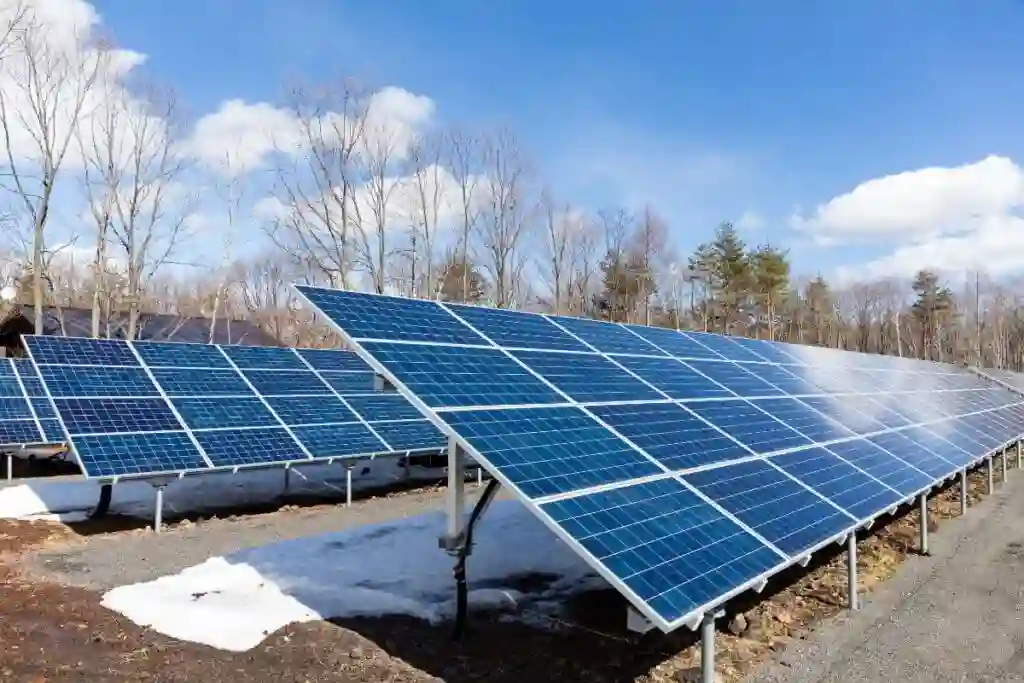
Energy costs represent a significant and growing expense for both homeowners and businesses, and the combination of rising electricity prices and declining solar installation costs has made solar power an increasingly compelling financial proposition.
Installing solar panels from a qualified electrical contractor converts sunlight into electricity that displaces grid power consumption, reduces monthly energy bills, and can generate surplus energy that is credited or sold back to the utility under applicable programs.
How Solar Photovoltaic Systems Work
Solar photovoltaic panels convert sunlight into direct current electricity through the photovoltaic effect, in which photons striking semiconductor material in the solar cells displace electrons and create an electrical current. An inverter converts this direct current into the alternating current used by household and commercial electrical systems.
The system is connected to the building’s electrical panel, where solar-generated electricity powers loads in real time. When production exceeds consumption, surplus electricity can be exported to the grid or stored in battery systems for use when solar production is insufficient.
Financial Benefits and Return on Investment
The financial case for solar panels installation rests on the relationship between installation cost, energy bill savings, and available incentives. Federal tax credits currently allow a significant percentage of installation costs to be deducted from federal income tax liability, and many states offer additional rebates or incentive programs.
Net metering policies in many jurisdictions credit solar system owners for electricity exported to the grid at retail or near-retail rates, maximizing the financial value of solar production. The payback period for well-designed residential and commercial solar systems has shortened significantly as installation costs have declined.
Environmental Benefits of Solar Energy
Beyond financial returns, solar energy delivers meaningful environmental benefits by displacing electricity generation from fossil fuel sources. Each kilowatt-hour of solar electricity produced reduces the carbon dioxide emissions associated with grid power generation, contributing to the reduction of greenhouse gas emissions that drive climate change.
Solar panels have relatively long service lives, typically warranted for twenty-five years or more, meaning that the environmental benefits grow over an extended period that compounds the climate impact of each installation.
System Design and Sizing Considerations
Effective solar system design begins with an analysis of the property’s energy consumption history, roof orientation and shading characteristics, and any anticipated changes in energy use including EV charging or HVAC upgrades. The system is sized to optimize the financial return based on the applicable net metering policy, available roof space, and budget constraints.
Roof condition should be assessed before installation, as panels are expected to remain in place for the system’s twenty-five-plus-year life, and replacing a roof after panel installation requires their temporary removal at additional cost.
Choosing a Qualified Solar Installation Contractor
Solar installation quality affects system performance, safety, and longevity throughout the system’s service life. Qualified installers hold the appropriate electrical contractor licensing, employ technicians with solar-specific training and certification, use quality equipment from established manufacturers with strong warranty programs, and obtain the required permits for each installation.
Obtaining multiple proposals from qualified installers allows comparison of system design, equipment specifications, production estimates, and pricing. Reviewing references from previous customers and verifying contractor licensing and insurance status are important steps in selecting a solar installer who will deliver a safe, high-performing system.
Conclusion
Solar panel systems represent a mature, well-proven technology that delivers genuine financial and environmental benefits for property owners across a wide range of circumstances. The combination of declining installation costs, available tax incentives, and rising grid electricity prices has made solar investment financially attractive for more properties than ever before.
Owners who work with qualified installers to design appropriately sized systems enjoy the energy bill savings, environmental benefits, and property value enhancement that solar installations consistently deliver.