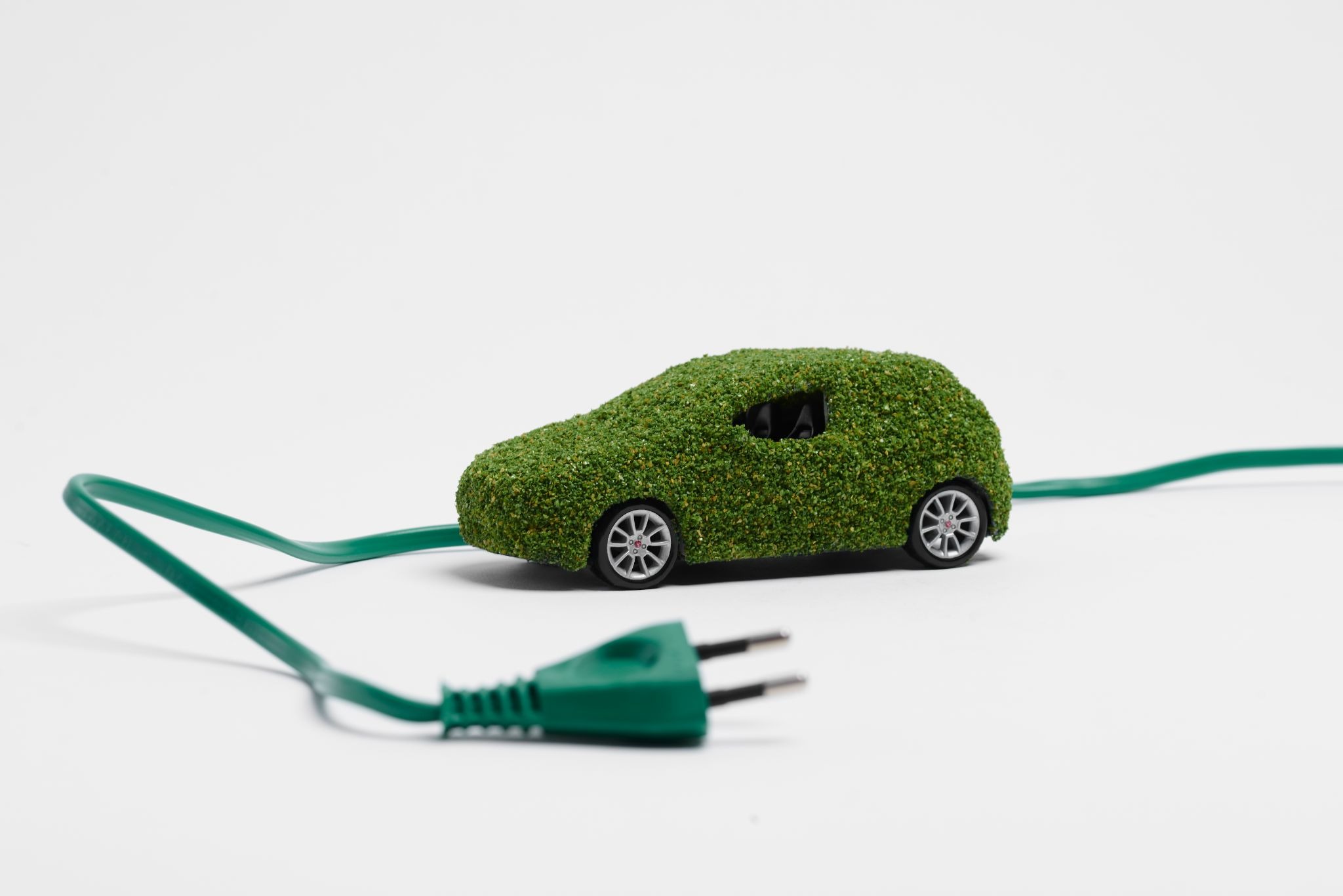
Transportation is entering a powerful new era. For more than a century, gasoline-powered cars dominated roads around the world. They shaped cities, economies, and the way people travel. Yet the world is changing rapidly. Climate concerns, rising fuel prices, and advances in technology have encouraged a dramatic shift toward electric vehicles. Electric cars are no longer experimental machines for early adopters. They are becoming a realistic and attractive choice for everyday drivers. Major automotive companies are investing billions in electric technology. Governments are encouraging adoption through incentives. Consumers are becoming more curious about the real advantages of driving electric.
When people begin exploring electric vehicle benefits, they often start with environmental concerns. However, the advantages extend much further. Electric vehicles offer financial savings, advanced technology, smooth driving experiences, and lower maintenance requirements. These vehicles are not simply replacements for gasoline cars. They represent a new philosophy of transportation. The appeal of electric mobility is emotional as well as practical. Imagine driving quietly through city streets without the vibration of a traditional engine. Imagine charging your car at home overnight instead of stopping at gas stations. Imagine knowing that your daily commute produces far fewer emissions. Electric vehicles promise a cleaner and smarter future for transportation. Understanding how they work and why they matter helps drivers make informed decisions about the vehicles they choose.
Understanding How Electric Vehicles Work
At the heart of every electric vehicle lies a simple concept. Instead of burning fuel to power an engine, electric cars use electricity stored in a battery to drive an electric motor. This shift from combustion to electricity changes the entire mechanical structure of a vehicle.
Electric vehicles rely on high-capacity lithium-ion batteries that store energy. That energy flows to an electric motor, which turns the wheels. The system is efficient, quiet, and remarkably smooth compared to traditional engines.
Key Components of an Electric Vehicle
Several essential components make electric vehicles function efficiently.
-
High-capacity battery packs that store electrical energy.
-
Electric motors that convert electrical power into motion.
-
Regenerative braking systems that recover energy during braking.
-
Onboard charging systems that manage energy flow when charging.
These parts work together to deliver an efficient driving experience with minimal mechanical complexity.
How EV Technology Differs From Gasoline Engines
Traditional cars rely on internal combustion engines that burn gasoline or diesel to produce energy. These engines contain hundreds of moving parts. Pistons, valves, spark plugs, fuel injectors, and exhaust systems must all work together to keep the engine running. Electric vehicles eliminate most of this complexity. Electric motors contain far fewer moving parts, which reduces friction and mechanical wear. This simplicity leads to greater reliability and fewer maintenance requirements. The difference also affects driving performance. Electric motors deliver instant torque. This means acceleration feels immediate and responsive the moment the driver presses the pedal.
Lower Operating Costs for Drivers
One of the most compelling electric vehicle benefits is the potential for lower operating costs. While the purchase price of electric vehicles may sometimes be higher than traditional cars, the daily cost of running them is often significantly lower. Electricity is usually cheaper than gasoline. Drivers who charge their vehicles at home can save a considerable amount of money over time. For commuters who drive frequently, these savings become even more noticeable.
Reduced Fuel Expenses
Fuel prices fluctuate constantly. Gasoline costs can rise dramatically depending on global markets and political events. Electric vehicles reduce dependence on these unpredictable fuel costs. Charging an electric vehicle often costs only a fraction of what drivers would spend on gasoline for the same distance. In many regions, off-peak electricity rates make overnight charging even cheaper. For families managing monthly budgets, these savings create a meaningful financial advantage.
Lower Maintenance Requirements
Maintenance is another area where electric vehicles shine. Traditional engines require regular oil changes, spark plug replacements, and complex mechanical servicing. Electric vehicles eliminate many of these needs. With fewer moving parts and no combustion process, wear and tear are significantly reduced. Owners typically spend less on routine maintenance, making long-term ownership more affordable.
Environmental Advantages of Electric Vehicles
Environmental responsibility has become a major global priority. Transportation contributes significantly to greenhouse gas emissions. Electric vehicles provide a path toward reducing these emissions.
Reduced Greenhouse Gas Emissions
Electric vehicles produce zero tailpipe emissions. Unlike gasoline cars, they do not release carbon dioxide, nitrogen oxides, or other harmful pollutants while driving. Even when electricity is generated from mixed energy sources, electric vehicles generally produce fewer overall emissions compared to internal combustion vehicles. This reduction plays a critical role in combating climate change.
Improved Air Quality in Urban Areas
Cities around the world struggle with air pollution. Vehicle exhaust contributes heavily to poor air quality, especially in densely populated urban areas. Electric vehicles help reduce this pollution. By eliminating exhaust emissions, they improve the quality of air people breathe. Cleaner air leads to healthier communities and reduced health risks associated with pollution.
Energy Efficiency Compared to Traditional Cars
Energy efficiency is another key advantage of electric vehicles. Internal combustion engines waste a large portion of the energy contained in fuel. Much of it escapes as heat. Electric motors, on the other hand, convert a much higher percentage of energy into motion. This efficiency means electric vehicles require less energy to travel the same distance. The result is better use of resources and lower environmental impact. Efficient energy use also contributes to the cost savings that attract many drivers to electric mobility.
Government Incentives and Financial Advantages
Governments worldwide recognize the environmental and economic importance of electric vehicles. Many countries have introduced incentives to encourage consumers to adopt EV technology.
Tax Credits and Purchase Incentives
In many regions, buyers receive financial incentives when purchasing an electric vehicle. These incentives may include tax credits, rebates, or direct subsidies. These programs help offset the initial cost of purchasing an electric vehicle. As a result, EVs become more accessible to a wider range of consumers.
Lower Registration and Ownership Costs
Some governments also reduce registration fees or provide special benefits for electric vehicle owners. These may include reduced tolls, access to carpool lanes, or discounted parking in certain cities. These incentives make EV ownership even more appealing.
Driving Experience and Performance Improvements
Beyond environmental and financial advantages, electric vehicles offer a uniquely enjoyable driving experience. The moment drivers step behind the wheel, they often notice the difference. Electric motors operate quietly and smoothly. There is no engine vibration, no gear shifting noise, and no exhaust sound.
Acceleration is also impressive. Because electric motors deliver instant torque, EVs respond immediately when drivers press the accelerator. The result is a smooth and responsive driving experience that many drivers find surprisingly exciting.
Charging Convenience and Home Charging Options
Charging an electric vehicle is often simpler than people expect. Many drivers worry about charging infrastructure, but the reality is that most charging happens at home.
Home Charging Solutions
Home charging is one of the most convenient aspects of electric vehicle ownership. Drivers can plug their vehicles into a charging station in their garage or driveway overnight. By morning, the car is fully charged and ready to drive. This routine eliminates the need for frequent stops at gas stations.
Expanding Public Charging Networks
Public charging networks are also expanding rapidly. Governments and private companies are installing charging stations along highways, in shopping centers, and in public parking areas. Fast-charging stations can recharge batteries quickly during long trips. This expanding infrastructure continues to reduce concerns about charging availability.
Technological Innovation in Electric Vehicles
Electric vehicles are often at the forefront of automotive innovation. Manufacturers use EV platforms to introduce advanced technologies that enhance safety, comfort, and connectivity. Many electric cars feature advanced driver assistance systems. These technologies include adaptive cruise control, lane-keeping assistance, and automated parking features. Electric vehicles also receive software updates that improve performance and add new features over time. This ability to upgrade vehicles digitally creates a futuristic ownership experience.
Long-Term Economic Benefits for Vehicle Owners
When evaluating vehicle ownership, it is important to consider long-term costs rather than just the initial purchase price. Electric vehicles often prove financially advantageous over time. Lower fuel costs, reduced maintenance expenses, and potential government incentives all contribute to long-term savings. Some studies also suggest that electric vehicles maintain strong resale value as demand continues to grow. As more consumers recognize electric vehicle benefits, the market for used EVs continues expanding.
Conclusion
Electric vehicles are redefining what drivers expect from modern transportation. Their advantages go beyond environmental responsibility. They offer financial savings, smoother performance, innovative technology, and reduced maintenance requirements. The electric vehicle benefits extend into nearly every aspect of ownership. Drivers spend less on fuel, experience quieter rides, and contribute to cleaner air. For many people, switching to an electric vehicle becomes more than a practical decision. It becomes a step toward a more sustainable future. As technology continues to evolve and infrastructure expands, electric mobility will become even more appealing. The roads of tomorrow are likely to be filled with vehicles powered not by fuel, but by clean and efficient electricity.