As more homeowners seek to cut energy bills and reduce carbon footprints, residential clean energy sources have moved from niche interest to mainstream necessity. Efficient energy solutions not only save money but also increase property value and contribute to a greener planet. With numerous options available, knowing which systems deliver the best results for homes is essential. This guide dives into the top-performing residential clean energy sources and how to maximize their efficiency.
Solar Power for Homes
Solar power remains the most widely adopted clean energy solution for residential use. By converting sunlight into electricity through photovoltaic (PV) panels, homeowners can power appliances, heat water, and even feed excess electricity back to the grid.
Roof-Mounted vs. Ground-Mounted Solar Systems
Choosing between roof-mounted and ground-mounted solar panels depends on available space, aesthetics, and energy goals. Roof-mounted systems are common for suburban homes and save land space, while ground-mounted arrays allow for optimal panel orientation and easier maintenance. Roof-mounted panels are ideal for limited land, but roof orientation can affect efficiency. Ground-mounted panels can achieve higher efficiency with tracking systems, but require more space and initial investment.
Innovations Improving Solar Efficiency
Recent advances have significantly boosted residential solar efficiency. Bifacial panels capture sunlight from both sides, increasing energy output, while solar trackers follow the sun’s path to optimize power generation. Coupled with home battery storage, these technologies allow homeowners to store surplus energy for nighttime or cloudy days, reducing dependence on the grid. Experts note that while solar panel efficiency ratings range from 15% to 22%, real-world performance can improve through proper installation, panel cleaning, and monitoring energy use patterns.
Residential Wind Energy
Wind energy for homes is less common than solar but can be highly effective in suitable locations. Small-scale residential turbines convert wind into electricity and are particularly beneficial in rural or coastal areas where wind speeds are consistent.
Vertical vs. Horizontal Axis Turbines
Two main types of residential turbines are vertical-axis and horizontal-axis models. Vertical-axis turbines are quieter and work well in turbulent wind conditions, while horizontal-axis turbines offer higher efficiency in steady, directional winds. Vertical-axis turbines are compact, low-noise, and better suited for urban or suburban areas. Horizontal-axis turbines provide higher energy output, require more space, and are best for open landscapes. Despite higher upfront costs, wind systems can provide steady power year-round, especially when combined with solar panels for hybrid energy setups. Maintenance is crucial; regular blade checks and lubrication keep turbines operating at peak efficiency.
Geothermal Heating and Cooling
Geothermal systems tap into the stable temperatures below the Earth’s surface to provide heating in winter and cooling in summer. Unlike conventional HVAC systems, geothermal heat pumps are remarkably energy-efficient, often reducing household energy use by up to 50%. Installing a geothermal system requires upfront investment and proper land assessment. Horizontal loop systems are suitable for properties with ample yard space, while vertical loops are ideal for smaller lots. While installation can be costly, the long-term energy savings and potential government incentives make geothermal an appealing residential clean energy source. Real-world examples show that homeowners using geothermal systems see lower utility bills and fewer HVAC repairs over time, making the investment worthwhile.
Hydroelectric Options for Home Use
For properties near flowing water, micro-hydro systems offer a reliable and consistent energy source. These small-scale turbines convert the kinetic energy of water into electricity and can power a single home or supplement existing energy systems. Hydroelectric setups are highly efficient, often exceeding 80% energy conversion, but are limited by geographic location and water flow. Regular maintenance ensures consistent performance and longevity. When feasible, micro-hydro power can provide continuous energy, unlike solar or wind, which depend on weather conditions.
Combining Clean Energy Sources
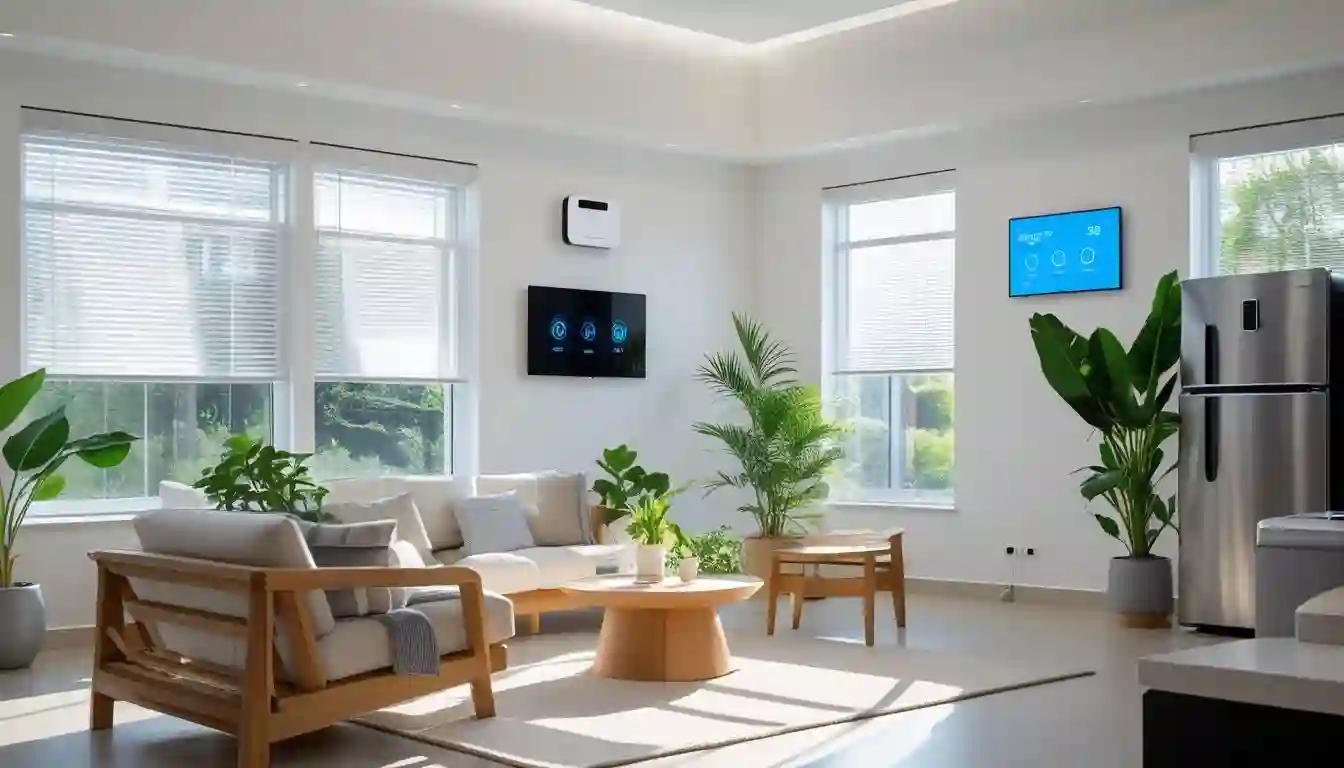
Many homeowners achieve optimal efficiency by combining multiple residential clean energy sources. Hybrid systems, such as solar plus wind or solar plus battery storage, maximize energy production and reliability. Smart energy management systems now allow homeowners to monitor energy consumption in real time, shifting usage to periods of peak generation. For example, running appliances during the day when solar panels produce maximum power or storing excess electricity in batteries ensures minimal waste. Hybrid approaches not only improve efficiency but also protect against power interruptions and offer greater flexibility for future energy needs.
Factors Influencing Overall Efficiency
The efficiency of any residential clean energy system depends on several factors:
-
Climate: Solar panels perform best in sunny regions, while wind turbines need consistent airflow.
-
Energy Consumption Patterns: Homes with high daytime energy use benefit more from solar generation, while nighttime-heavy usage may require battery storage.
-
Initial Investment and Incentives: Upfront costs vary, but government rebates, tax incentives, and net metering policies can significantly reduce payback time.
-
Maintenance: Regular cleaning, inspections, and software monitoring maximize energy output.
Understanding these factors helps homeowners select the most suitable clean energy solutions and optimize their long-term efficiency.
Conclusion
Residential clean energy sources like solar, wind, geothermal, and micro-hydro systems offer homeowners multiple paths to reduce energy costs and environmental impact. Solar power leads in accessibility and adoption, while wind and hydro provide supplemental options where geography allows. Geothermal offers unmatched efficiency for heating and cooling. Combining technologies and using smart management systems ensures maximum energy output and long-term savings. By carefully assessing local conditions, energy needs, and available incentives, homeowners can make informed decisions, transforming their properties into energy-efficient, environmentally responsible spaces.
FAQs
1. What is the most efficient residential clean energy source?
Solar panels are the most efficient option, but combining solar with wind or battery storage can further improve overall home energy efficiency.
2. Can I install a wind turbine in a suburban area?
Yes, vertical-axis turbines are compact and quiet, suitable for suburban homes, but check local zoning and wind conditions for optimal performance.
3. How much does geothermal heating save on energy bills?
Geothermal systems can reduce heating and cooling costs by up to 50%, making them highly efficient over the long term despite higher installation costs.
4. Are micro-hydro systems viable for small properties?
Micro-hydro systems work best on properties with consistent water flow. They are highly efficient but limited by location and may require land permits.
5. Should I combine multiple clean energy sources at home?
Yes, hybrid systems like solar plus wind or solar plus batteries increase efficiency, reduce grid dependence, and provide more consistent energy year-round.