In a world grappling with climate change, pollution, and dwindling natural resources, the role of green technology solutions has become increasingly important. As we face these daunting challenges, the need for sustainable practices and innovations has never been clearer. Green technology, often referred to as cleantech, encompasses a wide range of solutions designed to reduce environmental impact and promote sustainability. This blog delves into the essence of green technology solutions, their categories, benefits, challenges, and the future they promise for our planet. Understanding these solutions is crucial for individuals, businesses, and policymakers as we collectively strive for a greener future.
Understanding Green Technology Solutions
Definition and Core Principles
Green technology solutions refer to methods, products, and services that harness renewable resources to create a sustainable environment. These solutions focus on reducing carbon footprints, conserving energy, and minimizing waste. The core principles guiding green technology are efficiency, sustainability, and conservation. Efficiency is about using fewer resources to achieve the same results, thereby reducing waste. Sustainability emphasizes meeting present needs without compromising future generations’ ability to meet their own. Conservation involves protecting natural resources and ecosystems, ensuring they remain intact for future use.
By integrating these principles, green technology solutions help create systems that are not only environmentally friendly but also economically viable. This holistic approach allows communities to thrive while safeguarding the planet for generations to come.
Historical Context and Evolution
The concept of green technology is not entirely new. Its roots can be traced back to the early environmental movements of the 1970s, when awareness of pollution and resource depletion began to grow. However, the modern green technology movement gained significant momentum in the 21st century, driven by the urgent need to address climate change. The development of renewable energy technologies, such as solar and wind power, marked a turning point in the evolution of green technology.
As public awareness of environmental issues increased, so did investments in research and development of sustainable solutions. Innovations in energy efficiency, waste management, and sustainable agriculture have emerged, creating a diverse landscape of green technologies. Today, industries across the globe are harnessing these technologies to reduce their environmental impact and enhance their sustainability efforts.
Categories of Green Technology Solutions
Renewable Energy Technologies
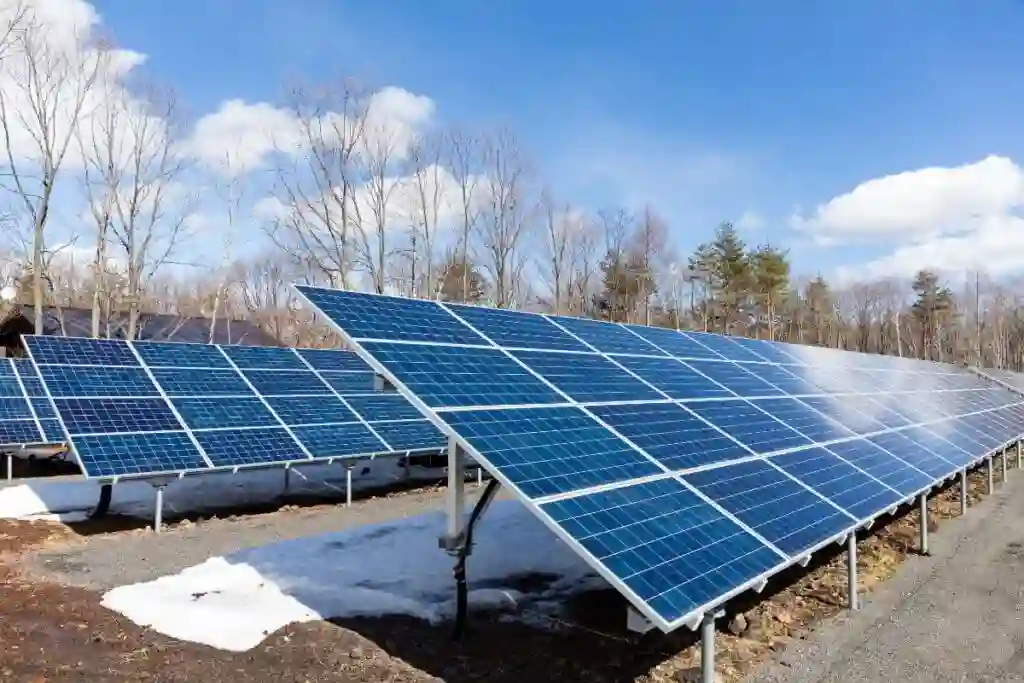
Renewable energy technologies are at the forefront of green technology solutions. These technologies harness natural resources, such as sunlight, wind, water, and geothermal heat, to produce energy without depleting the Earth’s resources. Solar panels, for example, convert sunlight into electricity, providing a clean and sustainable energy source for homes and businesses. Wind turbines capture the kinetic energy of the wind, transforming it into electricity that can power entire communities.
The role of renewable energy in combating climate change cannot be overstated. By replacing fossil fuels with renewable energy sources, we can significantly reduce greenhouse gas emissions, thus mitigating the effects of global warming. Moreover, renewable energy technologies contribute to energy independence, reducing reliance on imported fuels and enhancing national security.
Energy Efficiency Solutions
Energy efficiency solutions focus on using less energy to perform the same tasks, which leads to significant cost savings and reduced environmental impact. Innovations in building design, such as passive solar architecture and improved insulation, allow structures to maintain comfortable temperatures with minimal energy consumption. Energy-efficient appliances, like LED lighting and ENERGY STAR-rated devices, consume less electricity and contribute to lower utility bills.
Smart grid technologies also play a crucial role in enhancing energy efficiency. These systems use digital technology to monitor and manage energy consumption in real-time, optimizing energy distribution and reducing waste. By adopting energy efficiency solutions, individuals and businesses can lower their carbon footprints while enjoying the financial benefits of reduced energy costs.
Sustainable Transportation Options
Sustainable transportation technologies aim to reduce the environmental impact of travel and transportation. Electric vehicles (EVs) are a prime example of green technology in this sector. By utilizing electricity instead of fossil fuels, EVs produce zero emissions at the tailpipe, significantly reducing air pollution in urban areas. The growth of charging infrastructure and advancements in battery technology are making EVs more accessible and practical for consumers.
Public transportation systems, such as electric buses and trains, also contribute to sustainability by providing efficient alternatives to personal vehicles. These systems reduce traffic congestion, lower emissions, and promote a shift toward more sustainable modes of travel. By investing in sustainable transportation options, cities can enhance mobility while minimizing their environmental impact.
Benefits of Green Technology Solutions
Environmental Impact
The environmental benefits of green technology solutions are profound. By reducing greenhouse gas emissions, conserving natural resources, and minimizing waste, these technologies help protect ecosystems and biodiversity. For instance, renewable energy technologies contribute to cleaner air and water by reducing reliance on fossil fuels, which are major sources of pollution.
Moreover, green technologies promote circular economy principles, where waste is minimized, and resources are reused or recycled. This approach reduces the strain on landfills and helps preserve valuable materials for future use. Ultimately, the adoption of green technology solutions fosters a healthier planet, benefiting both current and future generations.
Economic Advantages
In addition to environmental benefits, green technology solutions offer significant economic advantages. The transition to renewable energy and energy-efficient technologies can lead to substantial cost savings for individuals and businesses. Lower energy bills, reduced operational costs, and enhanced productivity are just a few of the financial benefits associated with green technologies.
Furthermore, the green technology sector is a rapidly growing industry, creating jobs and stimulating economic growth. According to recent studies, investments in clean energy and green technologies have the potential to generate millions of jobs worldwide. By embracing green technology solutions, societies can boost their economies while addressing pressing environmental challenges.
Challenges Facing Green Technology Adoption
Technological Barriers
Despite the promising potential of green technology solutions, several technological barriers hinder widespread adoption. Many green technologies are still in their infancy, requiring further research and development to improve efficiency and reduce costs. For example, while solar panels have become more affordable, the initial investment can still be a barrier for some homeowners and businesses.
Additionally, the integration of renewable energy sources into existing infrastructure poses challenges. Traditional energy grids were designed for centralized fossil fuel generation, making it difficult to accommodate decentralized renewable energy sources. To overcome these barriers, ongoing innovation and investment in research and development are essential.
Policy and Regulatory Issues
Government policies and regulations play a critical role in shaping the landscape of green technology adoption. Supportive policies, such as tax incentives for renewable energy installations and emissions reduction targets, can encourage businesses and individuals to invest in green technologies. However, inconsistent regulations and lack of clarity can create uncertainty, deterring potential investments in the sector.
Moreover, the transition to green technology often requires collaboration among various stakeholders, including governments, businesses, and communities. Effective policies must align the interests of these groups to create a cohesive framework that supports sustainable practices. By fostering a favorable regulatory environment, governments can accelerate the adoption of green technology solutions.
The Future of Green Technology Solutions
Emerging Trends and Innovations
The future of green technology solutions is bright, with emerging trends and innovations poised to transform the landscape. Advancements in energy storage technologies, such as improved battery systems, are making renewable energy sources more reliable and practical for everyday use. These innovations enable the efficient storage of energy generated from solar and wind sources, ensuring a steady supply even when natural conditions fluctuate.
Carbon capture and storage (CCS) technologies are also gaining traction as a means of reducing emissions from industrial processes. By capturing carbon dioxide before it enters the atmosphere, CCS can play a significant role in mitigating climate change. As research continues to evolve, we can expect to see even more groundbreaking innovations that enhance the efficiency and effectiveness of green technology solutions.
Collective Action for Sustainability
Achieving sustainability through green technology solutions requires collective action from all sectors of society. Governments, businesses, and individuals must work together to promote and implement sustainable practices. Public awareness campaigns can educate communities about the benefits of green technology and encourage proactive behaviors that support sustainability.
Community engagement is also vital in driving the adoption of green technologies. Local initiatives, such as community solar projects and urban farming programs, empower individuals to take part in sustainability efforts. By fostering a culture of sustainability, we can create a future where green technology solutions become the norm rather than the exception.
FAQs
What are green technology solutions?
Green technology solutions are methods and innovations designed to reduce environmental impact and promote sustainability by utilizing renewable resources and efficient practices.
Why are green technology solutions important?
They are crucial for addressing climate change, conserving natural resources, and fostering economic growth while minimizing pollution and environmental degradation.
What are some examples of green technology?
Examples include solar panels, wind turbines, energy-efficient appliances, electric vehicles, and sustainable agriculture practices.