As the world faces the urgent challenges of climate change and environmental degradation, the quest for sustainable solutions has never been more critical. Renewable energy sources have emerged as a beacon of hope, offering a path toward a cleaner, more sustainable future. But what exactly are renewable energy sources, and why are they so vital for our planet? This blog will delve into the various types of renewable energy, their significant contributions to sustainability, and the challenges we face in adopting them. Join us on this journey to understand how harnessing the power of nature can help us create a better world.
Renewable energy sources are energy types that are naturally replenished on a human timescale. Unlike fossil fuels, which are finite and contribute to environmental pollution, renewable energy sources are clean and sustainable. They include solar, wind, hydropower, biomass, and geothermal energy. Each of these sources plays a unique role in our energy landscape, offering diverse solutions to meet our growing energy needs while minimizing ecological harm. The urgency of transitioning to renewable energy sources cannot be overstated, as they provide the foundation for reducing greenhouse gas emissions and enhancing energy security.
Types of Renewable Energy Sources
The world of renewable energy is vast and varied, comprising several key types that harness nature’s power. Understanding these energy sources is critical to appreciating their importance in promoting sustainability.
Solar Energy
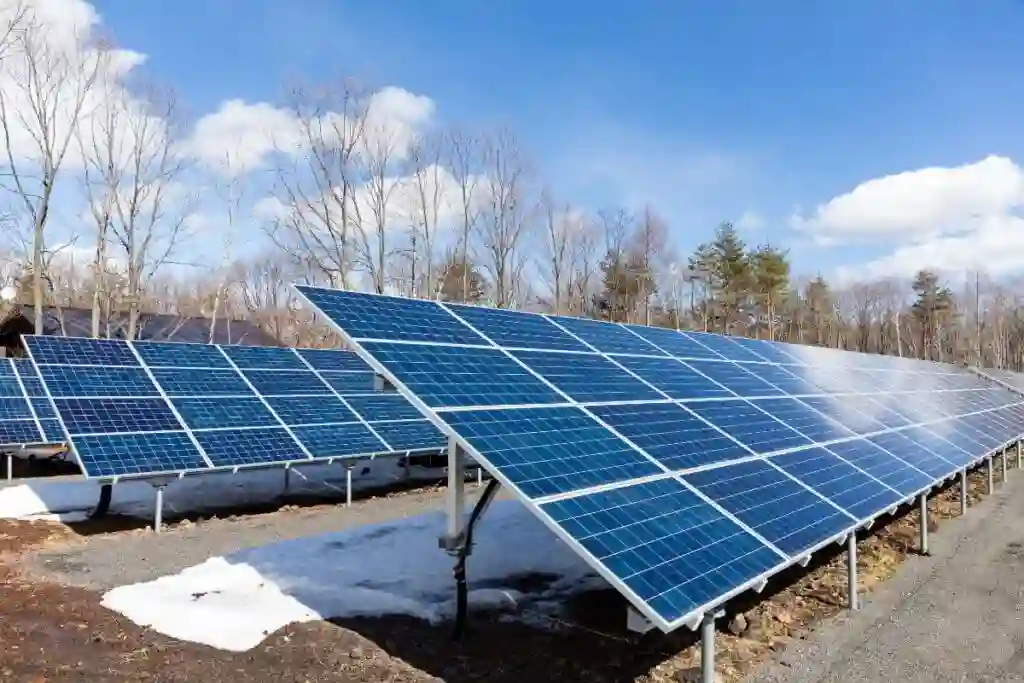
Solar energy is perhaps the most recognized form of renewable energy. It is harnessed from the sun’s rays using photovoltaic cells, which convert sunlight into electricity. Solar panels can be installed on rooftops or in large solar farms, generating clean energy without emissions. The potential of solar energy is immense; in fact, the amount of solar energy that reaches the Earth in one hour is more than the total energy consumed by the entire world in a year. This abundance makes solar energy a cornerstone of our future energy solutions.
As technology advances, the efficiency of solar panels continues to improve, making solar energy more accessible and affordable. Furthermore, solar energy can be integrated into various applications, from powering homes to supporting electric vehicle charging stations. By harnessing solar energy, we can significantly reduce our reliance on fossil fuels and lower our carbon footprint.
Wind Energy
Wind energy is another crucial renewable energy source. Wind turbines convert the kinetic energy of wind into electricity. These turbines can be found onshore and offshore, capturing wind energy in both rural and coastal regions. Wind energy is one of the fastest-growing energy sources globally, with substantial investments in technology and infrastructure.
Wind energy has a remarkably low environmental impact compared to fossil fuels. It produces no emissions during operation and requires minimal water for energy production, making it a sustainable choice for generating electricity. With advancements in turbine technology, wind energy is becoming increasingly efficient and cost-competitive, providing a viable alternative to traditional energy sources.
Hydropower
Hydropower harnesses the energy of flowing water, typically from rivers or dams, to generate electricity. It is one of the oldest and most established forms of renewable energy. By utilizing the gravitational force of falling or flowing water, hydropower plants convert this kinetic energy into electrical energy.
While hydropower is a reliable and stable energy source, it is essential to recognize the environmental impacts associated with large dam projects, which can disrupt local ecosystems and displace communities. Nevertheless, small-scale hydropower systems can provide renewable energy with minimal ecological disruption, making them a valuable component of our energy mix.
Biomass
Biomass energy is derived from organic materials, such as plant and animal waste. It can be converted into biofuels, such as ethanol and biodiesel, or used directly for heat and electricity generation. Biomass energy is carbon-neutral, as the carbon dioxide released during its combustion is offset by the carbon dioxide absorbed by the plants during their growth.
Geothermal Energy
Geothermal energy taps into the Earth’s internal heat, harnessing steam or hot water from underground reservoirs to generate electricity or provide direct heating. This energy source is highly reliable and can provide consistent power generation, unlike some other renewables that depend on weather conditions.
Geothermal energy has a low environmental impact, emits minimal greenhouse gases, and offers a sustainable solution for heating and cooling. While it is primarily utilized in regions with significant geothermal activity, advances in technology may expand its applicability worldwide.
The Role of Renewable Energy in Sustainability
The transition to renewable energy sources is critical for achieving sustainability goals. These energy sources play a significant role in reducing greenhouse gas emissions and mitigating climate change.
The burning of fossil fuels is the primary contributor to climate change, releasing carbon dioxide and other harmful pollutants into the atmosphere. By shifting to renewable energy, we can dramatically lower these emissions. For instance, a study by the International Renewable Energy Agency (IRENA) found that transitioning to renewables could cut greenhouse gas emissions by up to 70% by 2050.
Impact on Climate Change Mitigation
The effects of climate change are becoming increasingly evident, from rising temperatures to extreme weather events. Renewable energy sources provide a pathway to combat these challenges. By reducing our dependence on fossil fuels, we can decrease the rate of climate change and protect our planet for future generations.
Improvement of Air Quality and Public Health
The transition to renewable energy sources has direct implications for public health. The combustion of fossil fuels releases pollutants that contribute to respiratory diseases, cardiovascular problems, and premature deaths. By adopting renewable energy, we can significantly improve air quality and reduce health risks.
Research indicates that transitioning to renewable energy could prevent millions of premature deaths annually and save billions in healthcare costs. Cleaner air translates into healthier communities, enhancing the quality of life for individuals and families alike.
Economic Benefits of Renewable Energy Sources
The economic implications of adopting renewable energy sources are profound. Transitioning to renewables can stimulate job creation, foster innovation, and lead to long-term cost savings.
The renewable energy sector has become a significant source of employment, providing millions of jobs globally. From manufacturing solar panels to installing wind turbines, the growth of this industry offers diverse opportunities for skilled workers. By investing in renewable energy, we can stimulate local economies and create a more resilient workforce.
Decreased Reliance on Fossil Fuels
One of the most significant economic benefits of renewable energy is the decreased reliance on fossil fuels. As renewable energy technologies continue to advance, their costs are declining, making them increasingly competitive with traditional energy sources. This shift not only stabilizes energy prices but also reduces vulnerability to fossil fuel market fluctuations.
By diversifying our energy sources, we enhance energy security and independence. Countries that invest in renewables are less exposed to geopolitical tensions and price volatility associated with fossil fuels, which can lead to more stable economies.
Energy Independence and Security
Energy independence is a crucial aspect of national security. By investing in renewable energy sources, countries can decrease their dependence on imported fossil fuels. This transition fosters energy sovereignty and protects against supply disruptions caused by geopolitical conflicts or natural disasters.
Renewable energy sources can be harnessed locally, providing communities with reliable access to energy. This decentralization enhances energy security, ensuring that regions are less susceptible to external shocks and can maintain resilience in the face of challenges.
Challenges Facing Renewable Energy Adoption
Despite the numerous benefits of renewable energy sources, several challenges must be addressed to facilitate widespread adoption. Understanding these obstacles is crucial for developing effective strategies to overcome them.
One significant challenge is the technological limitations associated with renewable energy. For instance, while solar and wind energy generation has surged, energy storage solutions remain a critical hurdle. The intermittent nature of these energy sources necessitates reliable storage systems to ensure a consistent power supply.
Energy Storage Solutions
Advancements in energy storage technologies, such as batteries and pumped hydro storage, are essential for maximizing the potential of renewable energy sources. Improved storage solutions can help balance supply and demand, allowing for the efficient integration of renewables into the energy grid. Continued investment in research and development is vital to unlocking innovative energy storage technologies that can support the transition to a renewable energy future.
Infrastructure Development
The current energy infrastructure in many regions is not adequately equipped to support the widespread adoption of renewable energy sources. Upgrading the grid to accommodate decentralized energy production and enhance grid stability is essential for facilitating the transition. Governments and private sectors must collaborate to invest in smart grids and modernize infrastructure, ensuring that renewable energy can be efficiently integrated into existing systems.
Conclusion
The journey toward a sustainable future hinges on our ability to harness renewable energy sources. These energy types are not just alternatives; they are essential components of a cleaner, healthier planet. From combating climate change to improving air quality and fostering economic growth, renewable energy sources offer a myriad of benefits that can transform our world for the better.
As individuals, businesses, and governments, we have a shared responsibility to invest in renewable energy solutions. The time to act is now. By embracing renewable energy sources, we can pave the way for a brighter, more sustainable future for generations to come. Let us work together to create a world where clean, renewable energy is the norm, ensuring a healthier planet for all.