The conversation about renewable energy often gets treated as if it were a single conversation. As if the homeowner considering rooftop solar panels and the steel manufacturer evaluating how to decarbonize its production process are asking the same question and need the same answer. They are not. The energy needs of a family home and the energy demands of an industrial facility differ not just in scale but in character, in timing, in the specific forms of energy required and in the economic frameworks within which any renewable solution must be financially viable. A residential property uses electricity for lighting, appliances, heating and cooling in patterns that follow the rhythms of domestic life. An industrial facility may require not just enormous quantities of electricity but also high-temperature process heat, continuous uninterruptible power supply and the ability to scale energy consumption up and down with production demand in ways that no residential energy management system is designed to accommodate. Understanding which renewable energy sources are most appropriate for each context is not a matter of choosing the most technologically impressive option or the one that generates the most favorable press coverage. It is a matter of matching the specific technical and economic characteristics of available renewable energy sources to the specific energy requirements, the available physical resources and the financial constraints of each situation.
Why Residential and Industrial Renewable Energy Needs Are Fundamentally Different
How Scale, Load Profile and Energy Type Create Distinct Requirements
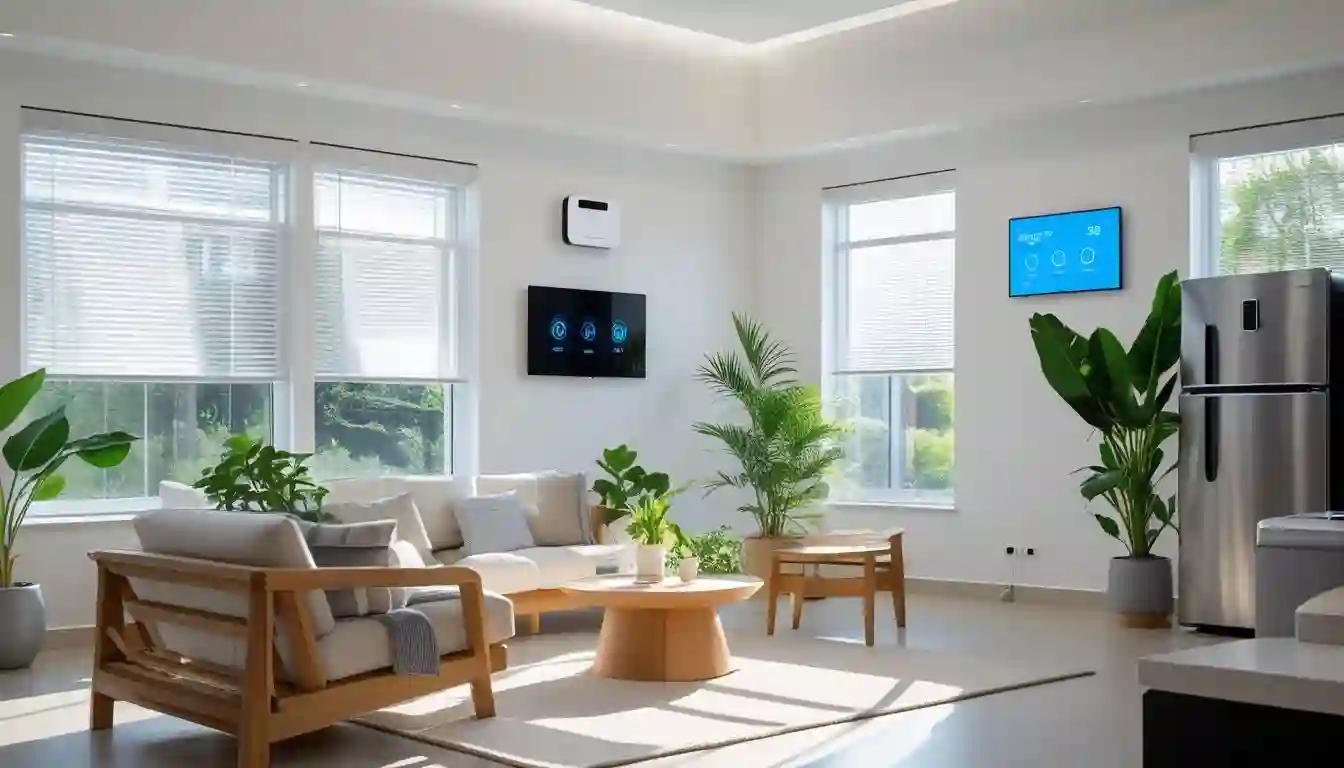
The fundamental differences between residential and industrial renewable energy requirements begin with scale but extend far beyond it into the specific characteristics of energy demand that make certain renewable sources appropriate for one context and inappropriate for the other. Residential energy demand is relatively modest in absolute terms, typically ranging from five to twenty kilowatt-hours of daily electricity consumption for an average home in most developed markets, and follows a predictable daily pattern with peaks in the morning and evening that correspond to household activity and troughs during the middle of the day and overnight. This load profile happens to align reasonably well with solar photovoltaic generation patterns in most climates, creating a natural compatibility between the most widely deployable residential renewable technology and the timing of residential energy demand. Industrial energy demand differs in almost every relevant dimension. Total consumption is orders of magnitude larger. Load profiles are determined by production schedules rather than human circadian rhythms. The specific forms of energy required frequently include high-temperature heat that electricity alone cannot efficiently provide at industrial scale.
The Best Renewable Energy Sources for Residential Use
Solar Photovoltaic – Why Rooftop Solar Dominates the Residential Market
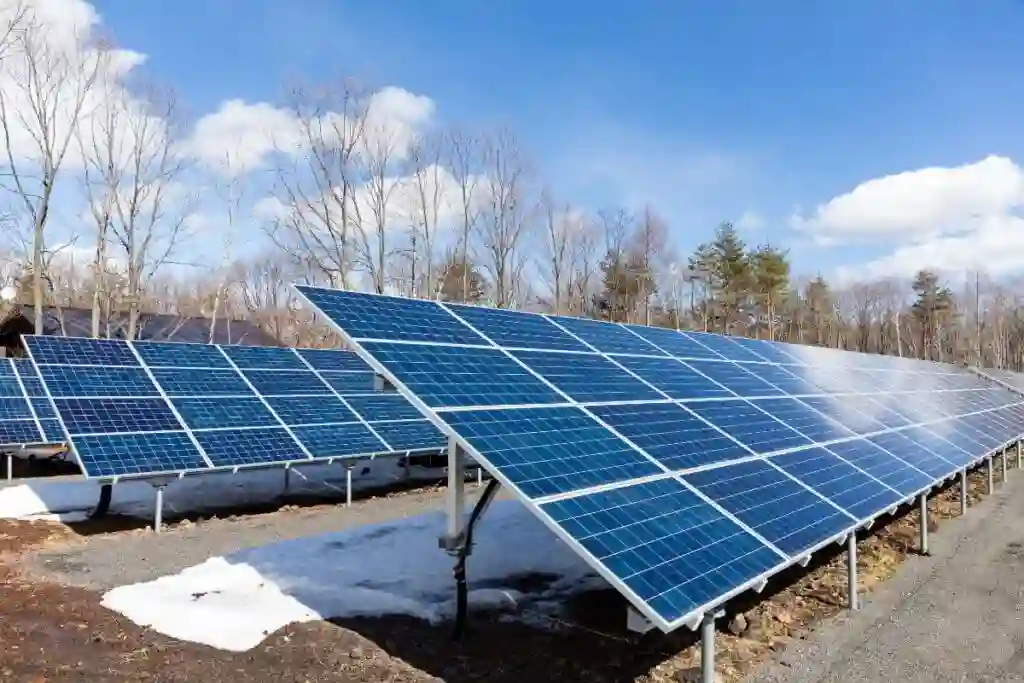
Solar photovoltaic technology’s dominance of the residential renewable energy market is not a product of marketing or government preference. It is the direct result of a specific combination of technical and economic characteristics that make rooftop solar uniquely well-suited to the residential context in ways that no competing renewable technology can match across the full range of residential situations. The installation footprint of rooftop solar matches the physical space that most residential properties already have available without requiring additional land acquisition or significant landscape modification. The modular scalability of solar panel systems allows them to be sized precisely to the consumption patterns of individual households rather than requiring oversizing to match a minimum viable installation size. The dramatic cost reductions achieved by the solar manufacturing industry over the past fifteen years, representing a ninety percent decline in panel costs since 2010, have brought residential solar installation to price points where the economics are favorable for a large and growing proportion of homeowners in most sunny and many partially sunny climates.
Small-Scale Wind and Micro-Hydro for the Right Residential Locations
While solar photovoltaic is the appropriate default consideration for most residential renewable energy assessments, two additional technologies deserve serious evaluation for residential properties with the specific physical characteristics that make them viable. Small-scale wind turbines, designed for residential installation either on rooftops in urban contexts or on towers in rural properties, are most appropriate for locations with consistent average wind speeds above five meters per second and without the shading, turbulence and regulatory constraints that characterize most urban and suburban environments. Rural properties in consistently windy locations can achieve excellent results from small wind installations that complement or substitute for solar in situations where the wind resource is stronger than the solar resource or where year-round generation is needed without the seasonal variation that affects solar output in higher latitudes.
Battery Storage and Grid Integration for Residential Renewable Energy
Why Storage Transforms Residential Solar From Good to Exceptional
Battery storage technology has transformed the economics and the practical value of residential renewable energy systems by addressing the fundamental mismatch between when solar panels generate electricity and when residential households most need it. Without battery storage, a rooftop solar system generates its peak output during the middle of the day when household occupants are typically away and electricity demand is at its lowest point of the daily cycle. The surplus generation is exported to the grid at the wholesale or net metering rate, which in many markets is substantially lower than the retail rate at which the household imports electricity during the evening peak demand period when solar generation has ceased. Battery storage captures this surplus midday generation and makes it available for household consumption during the evening peak, effectively replacing grid electricity purchased at the retail rate with solar electricity generated at zero marginal cost.
The Renewable Energy Sources Best Suited for Industrial Scale
Utility-Scale Solar and Wind as Industrial Energy Foundations
The renewable energy sources that dominate the industrial and commercial energy transition are utility-scale solar and wind installations whose technical and economic characteristics differ substantially from their residential counterparts despite sharing the same underlying physics. Utility-scale solar installations, which range from tens of megawatts to several gigawatts of generation capacity, achieve dramatically lower cost per kilowatt-hour of generation than residential systems because of the economies of scale in procurement, installation and operation that project scale enables. Corporate power purchase agreements, through which industrial energy users contract directly with utility-scale renewable energy developers for long-term electricity supply at fixed prices, have become the primary mechanism through which major industrial and commercial energy users access renewable electricity without the capital investment and operational complexity of owning generation assets directly.
Green Hydrogen and Biomass for Industrial Process Heat
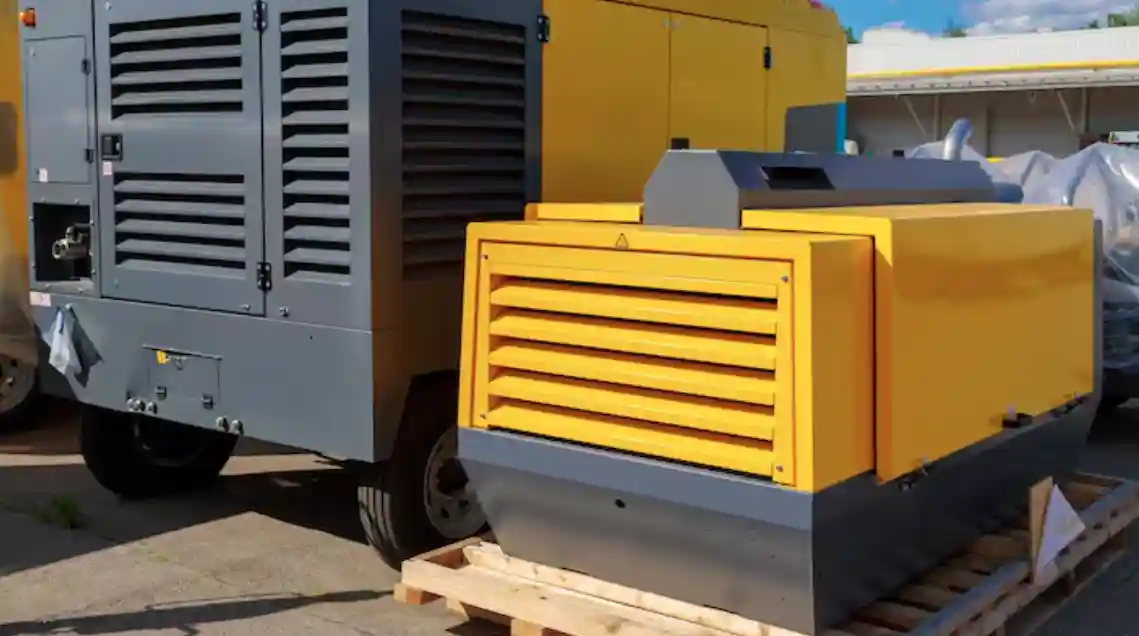
The industrial decarbonization challenge extends beyond electricity to the process heat that many industrial operations require at temperatures that electrification cannot efficiently provide with current technology. Steel production, cement manufacturing, chemical processing and glass production all require heat at temperatures above eight hundred degrees Celsius that electric heating elements and heat pumps cannot achieve at industrial scale with current technology at competitive cost. Green hydrogen, produced through the electrolysis of water using renewable electricity, provides a combustion fuel that generates heat at any temperature required by industrial processes without the carbon dioxide emissions of natural gas combustion. Biomass energy, which uses organic material as a combustion fuel for industrial heat generation, provides a renewable alternative to fossil fuels for process heat applications where the carbon accounting of the biomass supply chain supports a credible low-carbon claim.
The Financial Case for Renewable Energy at Both Scales
How the Economics of Clean Energy Have Permanently Shifted
The financial case for renewable energy investment has undergone a fundamental transformation in the past decade that makes the economics of clean energy adoption compelling for both residential and industrial energy users in most markets without relying on the subsidy support that was necessary to drive early adoption. Residential solar installations in favorable locations now generate electricity at a lifetime cost that is substantially below the retail electricity prices that homeowners pay for grid power in most developed markets, creating a financial return on investment that requires no subsidy to be attractive relative to the alternative of continued grid electricity purchase. Industrial renewable energy procurement through power purchase agreements provides price certainty and long-term cost competitiveness that fossil fuel alternatives cannot match given the trajectory of carbon pricing, fossil fuel price volatility and the accelerating cost declines that renewable energy technology continues to achieve.
Conclusion
Residential renewable energy and industrial renewable energy are not the same conversation conducted at different scales. They are fundamentally different conversations about fundamentally different energy requirements that happen to share the same underlying motivation: the desire to meet genuine energy needs without the carbon emissions, the price volatility and the geopolitical dependencies that fossil fuel energy imposes. Getting these conversations right, for homeowners evaluating solar installation, for facility managers assessing corporate renewable energy procurement and for policymakers designing the frameworks within which both decisions are made, requires the willingness to match the specific technical and economic characteristics of available renewable energy sources to the specific requirements of each situation rather than applying a universal solution to a problem that is always particular. The renewable energy future is not one technology. It is the right technology in the right place for the right purpose. Understanding that distinction is where every good renewable energy decision begins.